Category: Uncategorized

  • THE SUSTAINABILITY STALEMATE: BIG ENERGY STRUGGLES

    Equinor, BP, and Ørsted have recently adjusted their renewable energy and low-carbon strategies. Equinor cut its 2024-2027 low carbon and renewable investments by 50% and reduced its 2030 capex goals, prioritising financial sustainability. BP scaled back renewables and reduced oil and gas production targets by 25% through 2030, focusing on short-term returns amid market volatility. Ørsted lowered its renewable goals but remains focused on offshore wind. Each faces distinct challenges, such as inflation and supply chain issues for Equinor, geopolitical factors for BP, and US offshore wind difficulties for Ørsted. These decisions highlight the financial, geopolitical, and technological challenges central to the energy companies in adapting to the energy transition.

    What is clear is that while these companies are adjusting to market conditions, in reality, are grappling with an existential tension between short-term value extraction (which tends to dominate in high-risk environments) and long-term structural shifts required by the energy transition.

    THE STRATEGIC FRAGILITY OF TRANSITION PLANS

    The fact that these energy giants are scaling back their ambitious energy transition goals signals how fragile and contingent transition plans are. The energy sector, in particular, is deeply embedded in a historical business model that requires growth, scale, and profitability from traditional sources like oil and gas. When short-term volatility hits, whether it’s geopolitical, policy, financial, or supply-chain related, these companies are under pressure to revert to legacy investments, weakening their long-term green commitments. The energy sector is recognising that even with the best intentions, their transition strategies are vulnerable to external pressures and often lack the resilience needed to withstand market instability.

    MARKET TIMING VS. STRATEGIC CONSISTENCY

    BP, Equinor and Ørsted show a pattern of responding to immediate market conditions (e.g., energy crises, high oil prices, supply chain disruptions) by retreating from their long-term green goals. For many firms, there is a mismatch between the need for a steady, consistent strategy and the instinct to chase short-term profits. The lesson here is that companies will need to fundamentally reconsider how they balance the demands of today (short-term market forces) with the obligations of tomorrow (sustainable, green transformation). Investing in renewables should not be limited to times of favourable financials; companies must prepare for the long-term endurance of these investments, learning to manage volatility without abandoning their core transition principles. Of course, in doing so, they must convince their shareholders to come along with them on the journey, which normally means showing that returns can remain high or at least be managed through the ups and downs of policy risk, elections, inflation etc.

    THE FALSE DICHOTOMY BETWEEN PROFIT AND SUSTAINABILITY

    There is an implicit assumption in some of the energy companies’ moves that profitability and sustainability are incompatible or that achieving sustainability goals is somehow too costly in the short term. Yet, the history of industrial transformation suggests that companies that create real synergies between sustainable practices and profitable outcomes will ultimately be better positioned in the long run. Equinor, BP, and Ørsted’s moves show the challenge of balancing these dynamics, but it also exposes the danger of framing these choices as a binary. Companies must rethink how to align capital expenditures with value generation considers the long-term payoff of sustainable positioning together with near-term financial returns. Strategic integration of renewable energy may, at times, seem financially burdensome. But it is increasingly becoming a source of future-proof value. To attract capital, the energy industry must offer credible pathways for both the short-term and the long-term. Where companies can run into trouble is when their pathway skews too far one way or the other. Recently European companies have been seen to be insufficiently focused on near-term returns.  But in the recent past, US super-majors have been punished by markets for a lack of futureproofing for the low-carbon transition.

    NEED FOR REALISTIC, ADAPTIVE TRANSITION ROADMAPS

    Equinor, BP, and Orsted are not alone in needing to revise their transition roadmaps. But what stands out is how reactive and non-adaptive these roadmaps are. The energy transition is not linear, and any company setting itself up for a 10-year or 15-year target should be prepared for continuous course corrections. However, these corrections must be strategic recalibrations, not reversals that cast doubt on the company’s commitment. This signals a larger trend that businesses need to build more flexible, adaptable transition strategies, with tactical contingency plans for disruption, both in terms of markets and regulations. The focus needs to be on the robustness of a company’s transition plans to handle unexpected external shifts while staying aligned with their long-term direction, rather than solely on the speed of the transition.

    REPUTATION RISKS OF HALF-MEASURES AND BACKTRACKING

    While Equinor, BP, and Ørsted have cited external pressures, such as inflation, rising interest rates, regulatory uncertainty, and supply chain challenges as the rationale for reducing their renewable energy and low-carbon investments, these decisions come with long-term reputational risks. The lesson here for other companies is that perception and credibility are everything in the transition race. The inability to follow through on net-zero commitments or reduce fossil fuel reliance can undermine future investor confidence and stakeholder trust. As capital markets become increasingly attuned to climate risks, companies must be prepared to demonstrate consistent action, even when external conditions make full commitment difficult. There is a growing expectation that companies will be able to justify their backtracking with substantive and transparent reasoning, not just explanations like market conditions.

    INERTIA VS. INNOVATION

    Finally, these companies represent a broader trend where inertia within large, established firms prevents them from fully capitalising on the opportunities emerging from the clean energy transition. Their inability to overcome internal resistance to change or integrate more agile innovation models has led them to scale back on potentially high-return renewable investments in favour of safer, legacy choices. For other companies, this suggests that innovation within the energy transition isn’t just about renewable technologies; it’s about transforming the business model itself. Companies should be developing a culture of intrapreneurship and innovation that can thrive in the complex and fast-changing energy landscape, ensuring that new technologies and strategies can become a source of competitive advantage, not just a cost burden. In short, half-measures and surface-level explanations may be accepted temporarily but risk stranding a company’s credibility over time.

    TAKEAWAY FOR OTHER ENERGY COMPANIES

    The deeper takeaway here for other energy companies is that the transition to a sustainable future is as much about the internal organisational ability to manage uncertainty and adaptability as it is about the external environmental changes themselves. Companies must rethink their long-term strategies in a way that reflects an understanding of technological shifts as well as the unpredictable nature of the global economic and political landscape. Sustainability goals are essential, but they need to be integrated into business models that can survive short-term disruptions and remain relevant as long-term bets. The companies who can navigate this paradox of balancing short-term survival with long-term sustainability will be better prepared to lead in a decarbonised future.
  • THE NEXUS OF CLIMATE AND COMMERCE

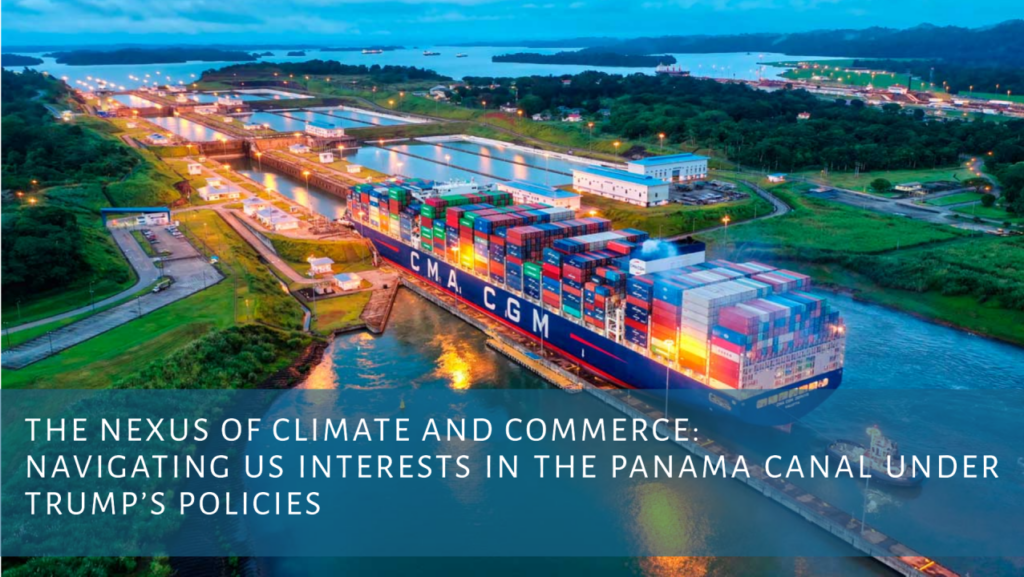
    The choice of Panama for the US Secretary of State, Marco Rubio’s first overseas trip reflects the growing geopolitical and economic stakes linked to the Panama Canal. The canal faces challenges from climate-induced water shortages and China’s growing regional influence. Severe drought, worsened by El Nino, has forced transit restrictions, disrupting supply chains and raising costs. Chinese investments in Panama’s ports fuel US strategic concerns.  President Trump’s withdrawal from the Paris Agreement, the suspension of US foreign aid, and calls to reassert US ownership of the canal, introduce new uncertainties. The Rubio visit signals that the US still recognises the canal’s importance. Although climate-related economic investments are not currently on President Trump’s agenda, they have the potential to help the US maintain influence over its critical trade routes, support Panama’s development without increasing Chinese dependency, and secure its strategic regional interests, all while staying true to “America First” priorities.

    THE STRUGGLING PANAMA CANAL: WATER CRISIS AND GLOBAL TRADE IMPLICATIONS

    The Panama Canal, responsible for about 5% of global trade, currently faces dangerously low water levels due to insufficient rainfall and the influence of El Nino. The canal is dependent on freshwater from Lake Gatun, and the ongoing drought has prompted the Panama Canal Authority (PCA) to impose water-saving measures, including reducing the number of ships passing through each day and restricting cargo weight. These restrictions create significant challenges for US LNG and grain exports as well as other industries dependent on the canal, leading to higher costs, supply chain disruptions and potential impacts on the competitiveness of US exports in global markets

    This situation highlights a critical vulnerability for global trade, especially for the US, which relies on the canal for 40% of its East-West coast of the Americas container traffic. Shipping companies have reported disruptions, with delayed shipments affecting everything from food to textiles. These disruptions further underscore how water scarcity at the Panama Canal could escalate trade costs and cause more severe delays as cargo is rerouted through alternative, longer routes.

    While the US exit from the Paris Agreement will upend international climate goals, the effects of the US exit on the Panama Canal will be more indirect at best.

    A more immediate issue is the suspension of US foreign aid in recent weeks, which has historically supported programs critical for Panama’s environmental management. These funds have been used to maintain the Chagres River Basin, which provides 45% of the water necessary for Panama Canal operations. The potential loss of these funds could directly exacerbate the water shortage and undermine efforts to preserve the water sources vital for both the canal and Panama’s urban water supply. This situation puts pressure on US strategic interests in Panama, particularly in maintaining unimpeded access to the Panama Canal, a crucial conduit for US maritime trade.

    GEOPOLITICAL AND ECONOMIC CONCERNS: CHINA’S ROLE AND US INTERESTS

    Beyond the environmental concerns, the geopolitical consequences of climate change at the Panama Canal should not be ignored. China’s growing economic footprint in Latin America, particularly in Panama, with investments in port operations near the canal, raises alarms in Washington about the long-term implications of China gaining control over vital infrastructure.

    Yet, while China’s economic interests and influence in Panama are expanding, the assumption that China controls the canal itself is an oversimplification. The canal is operated by the Panama Canal Authority (PCA), a government agency, and China’s investments are in port operations not the canal locks or its operations. Furthermore, Panama is a sovereign nation with significant economic and political leverage due to its control over a vital global trade route. This leverage allows Panama to negotiate favourable terms for canal transit fees, attract investment from both the US and China, and maintain its neutrality in the US-China rivalry. However, this leverage is not absolute. Both the US and China hold significant economic and political influence, and Panama must carefully navigate its relationship with both powers to maximise its own interests.

    Rather than focusing exclusively on China’s potential dominance, the US should recognise that Panama’s growing ties with China are part of a broader trend of Latin American countries diversifying their international relationships. The US should also consider its own diplomatic and economic engagement in the region, building alliances that are not solely focused on competition with China but rather on mutual development, including sustainable infrastructure projects to combat the effects of climate change.

    THE PANAMA CANAL AUTHORITY’S (PCA) RESPONSE: SUSTAINABILITY MEASURES AND LONG-TERM PLANNING

    The PCA has been proactive in addressing the current water crisis by implementing various sustainability initiatives. For instance, the Authority has invested in more water-efficient locks and developed methods to reuse water in the canal’s lock chambers, saving millions of gallons daily. Additionally, the Authority is considering a major project to build reservoirs by damming the nearby Indio River to supplement the canal’s water supply.

    While these efforts are commendable, it’s important to critically assess the feasibility and long-term impact of these measures. The PCA plans to allocate USD 2 billion towards the implementation of a more robust water management system in addition to an ambitious USD 8.5 billion investment plan, and it’s reasonable to expect that the entire process, from planning to full operationalisation, could take a decade or more. In the meantime, the canal will continue to face seasonal droughts, with the risk of further trade disruptions and economic losses. Moreover, while desalination could help address some of the water shortages, it is an energy-intensive process, which could add new challenges in terms of both costs and environmental impact.

    These sustainability efforts highlight the need for collaborative global solutions to ensure the canal’s viability. The US could play a key role by providing technical expertise, financial support, or other forms of facilitation to Panama in addressing these challenges.

    RETHINKING CLIMATE POLICY AND US INTERESTS IN THE PANAMA CANAL

    The US withdrawal from the Paris Agreement limits its role in some international climate forums but still allows room for effective bilateral cooperation with Panama. The US can establish agreements focused on sharing expertise in climate-resilient technologies, implementing renewable energy and water conservation projects, and offering technical assistance to Panamanian institutions. The US private sector can invest in sustainable technologies like renewable energy and water treatment, partnering with Panama on innovative climate solutions. Additionally, US states, cities, and NGOs can advance grassroots climate cooperation, exchanging knowledge and developing localised solutions.

    This approach aligns with President Trump’s “America First” policy by prioritising US economic and security interests. Climate resilience projects in Panama protect vital trade routes like the Panama Canal, crucial for US commerce. US companies benefit from investing in renewable energy and infrastructure, creating economic growth and innovation. Engaging with Panama on shared interests strengthens American interests in economic stability, security, and regional influence while staying true to the “America First” agenda.

  • GREEN HYDROGEN: THE PROMISE IS REAL. SO ARE THE CHALLENGES

    The green hydrogen industry, once buoyed by early optimism, is now facing significant challenges. Many projects in Europe and the US have either stalled or been delayed. In the US, regulatory uncertainty and in Europe, bureaucratic hurdles and insufficient funding are slowing progress. Earlier this year, the European Court of Auditors highlighted that the EU’s hydrogen goals face feasibility challenges. A McKinsey report states that 18% of North American and 5% of European clean hydrogen projects planned for 2030 have reached a final investment decision (Hydrogen Council).

    While progress in the US and EU is measured, emerging markets like Saudi Arabia, Morocco, and Chile are rapidly advancing their green hydrogen ambitions, leveraging abundant renewable resources and supportive policies. Yet, to sustain this momentum, these regions must overcome critical barriers, most notably water scarcity and material constraint – factors that will ultimately shape the viability of green hydrogen globally. Overcoming these challenges will require innovation in water efficiency, alternative materials, and recycling. Though progress is promising, these constraints remain central to the industry’s ability to scale effectively.

    A PARCHED PATH: WATER AND ENVIRONMENTAL HURDLES

    The production of green hydrogen through electrolysis is water intensive. The production through electrolysis proportionally requires about 9-14 litres of water per kilogram of hydrogen, with additional water for purification and cooling, bringing total consumption to 20-30 litres per kilogram, depending on electrolyser efficiency, water quality, and cooling systems.  This reliance on water exacerbates existing pressures in water-stressed regions. A growing global concern. For example, Saudi Arabia, home to the NEOM Green Hydrogen Project, despite its abundant renewable energy, faces severe water scarcity. Green hydrogen production, requiring significant water for electrolysis, poses a challenge in this “hyper-arid” environment (The Forum ERF).

    In Saudi Arabia, the NEOM project seeks to tackle the challenge of securing sufficient fresh water by relying heavily on desalination, an energy-intensive process requiring 4 to 5 kWh per cubic meter of water (UNEP). While renewable energy sources are used to power some desalination, the energy demand remains high, and the associated costs could undermine the economic feasibility of green hydrogen production in such a water-scarce region. In some markets, this could also divert renewable energy from the grid, limiting availability for other sectors.

    Additionally, the disposal of brine, a byproduct of desalination, presents environmental risks, particularly in marine ecosystems (UNEP). In Oman, for instance, desalination plants are facing challenges related to the high salinity of brine discharge, which negatively impacts coastal ecosystems (IEA).

    Morocco and Chile are also emerging as global hubs for green hydrogen production and face significant challenges due to water scarcity. Both countries are leveraging their abundant solar and wind resources, making them ideal for electrolysis-based hydrogen production, but their water resources are constrained. In Morocco, agriculture accounts for 88% of total water use (The World Bank), while in Chile, the Atacama Desert is among the driest regions on Earth, competing for water between mining, agriculture, and industrial use (IWA).

    Nevertheless, international partnerships, pilot projects, and growing market demand are accelerating the development of green hydrogen ecosystems in both countries. Morocco’s Green Hydrogen Strategy aims to produce 4 million tonnes of green hydrogen per year by 2030 (netzerocircleorg), while Chile is positioning itself as a key player in global hydrogen exports, with several high-profile projects in the pipeline (gh2org). Yet, both countries will need substantial investment in infrastructure, including water-efficient technologies and low-energy desalination methods, to ensure that green hydrogen production remains both sustainable and economically viable.

    To mitigate these challenges, green hydrogen projects need to focus on efficient water use and adopt innovative solutions like closed-loop water systems, which recycle water used in electrolysis, minimising overall consumption (Xylem). Furthermore, the development of low-energy desalination technologies, such as reverse osmosis and electrodialysis, can help reduce both the energy consumption and cost of desalination, making it a more viable option (Veolia). New desalination techniques could reduce energy costs by up to 30% compared to traditional methods (IEA-OES).

    While these solutions offer potential, the competition for water in already-stressed regions cannot be overlooked. To ensure sustainability, hydrogen production must be planned strategically, prioritising regions where water use can be balanced with local needs, especially in areas already facing severe water scarcity.

    As green hydrogen scales up, these projects should be designed to minimise strain on limited water resources and ensure access to water for essential uses, including agriculture and drinking water.

    A PRECIOUS STRAIN: MATERIAL DEPENDENCE AND COSTS

    The green hydrogen industry also faces challenges from its reliance on scarce and costly materials like iridium and platinum, essential for electrolyser production. Iridium, with a global output of just 8–9 metric tons annually, is a by-product of nickel and copper mining (Enapter) and one of the most expensive elements, with prices driven by demand from electronics, aerospace, and automotive sectors (SFA Oxford). Platinum, though more abundant, has seen prices rise over 400% in recent years due to high demand from industries like automotive (catalytic converters), jewellery, and industrial applications (Platinum Investment).

    As the green hydrogen sector grows, reliance on rare metals for proton exchange membrane (PEM) electrolysis could become a bottleneck. PEM electrolysers require 300 to 400 kg of iridium per gigawatt (GW) of production capacity (Heraeus). With global PEM electrolyser capacity potentially reaching 30 GW, iridium supply is already stretched, and current production rates do not meet the forecasted demand. IRENA projects 5,700 GW of electrolyser capacity by 2050. As of 2023, global capacity was 1.4 GW, expected to reach 5 GW by 2024.

    To address supply constraints, researchers are exploring alternatives to iridium and platinum, such as non-precious metal catalysts (NPMCs) and metal-organic frameworks (MOFs), to reduce material dependence and costs in hydrogen production (MDPI). Recycling could also alleviate pressure on the iridium supply, but extracting iridium from electrolyser components presents technical challenges. Efficient recovery requires advanced technologies, and cost-effectiveness must be assessed against savings from reduced reliance on primary iridium. Supportive regulations are also necessary to incentivise recycling and ensure environmental sustainability (Johnson Mathey).

    Alkaline electrolysers use nickel, relative to iridium, as a more cost-effective option for large-scale hydrogen production. While widely used for this purpose, they are increasingly being outpaced by PEM electrolysers, which are better suited for smaller-scale, modular applications. As demand for green hydrogen increases, PEM technology is preferred for fuel cell vehicles and industrial processes. Both alkaline and PEM electrolysers offer unique benefits and drawbacks, with the best choice depending on specific use cases and operational needs (Idetechex).

    Reducing material dependence and managing supply chain complexities are key to scaling green hydrogen production. Strategic investments in alternative materials, advanced recycling, and diversified electrolyser designs are crucial to addressing resource bottlenecks limiting growth.

    ON BALANCE

    Water scarcity and material demand are real challenges for green hydrogen but not insurmountable. With enough time and investment, solutions such as improved water management, recycling, and alternative materials can address these issues.

    However, the greatest barrier is not the challenges themselves, but the time and financial resources required to overcome them. As green hydrogen aims to integrate with established clean technologies like wind, solar, and battery storage, its ability to compete will be shaped by the availability of these critical resources.

    Image credit: Linkedin image generator

  • From Washington to Westminster – The Weight of Choices

    I am struck by the vibrant energy that fills the air this autumn in Washington DC. It is after all a season of change, and the atmosphere reflects the weight of the choices ahead. With the US elections just days away, many are calling it one of the most consequential elections in modern history. The outcome will not only shape US domestic policy but will also have far-reaching implications for international relationships, particularly for us in the UK. Potential policy shifts under either a Harris or Trump administration will significantly influence the UK’s energy security, critical mineral access, and climate finance.

    1. Green Industrial Policy and the Energy Transition

    A potential Harris administration is expected to extend President Biden’s pro-climate agenda, prioritising international partnerships and green investment. The US Inflation Reduction Act (IRA), with an allocation of USD369 billion over ten years to renewable energy and climate initiatives, signals this commitment. A Harris administration would create stronger opportunities for transatlantic investment, supporting UK growth in renewable sectors like offshore wind, hydrogen, and battery technology. If this momentum continues, the UK government could look to joint initiatives with the US, easing access to funding for green projects and making significant progress toward the UK’s 2050 net zero target.

    However, under Biden the IRA has faced criticism from some manufacturers and international trading partners for its reliance on domestic supply chains, which could limit the availability of components needed for the UK projects, Should this happen, the UK may have to seek alternative sources, complicating the UK’s green transition.

    A Harris administration is expected to support favourable trade policies for green technologies, facilitating UK imports of renewable technology components. This could support efforts by the UK government to make US-UK trade in renewables more accessible and reducing reliance on non-allied suppliers for clean tech components.

    If Donald Trump is re-elected, his previous administration’s affinity to roll back environmental regulations could limit the UK’s potential for US green investment. Trump’s policies have historically favoured fossil fuels over renewables, raising concerns about long-term climate commitments and support for developing green industry and infrastructure at home and abroad.

    Trump’s protectionist stance could make UK trade in green technologies more expensive, as seen in past tariffs on steel and aluminium. If a similar approach extends to critical minerals, the UK government may need to counter these costs by increasing subsidies for UK-based manufacturers of renewable technology, reducing dependency on high-cost imports. This could mean allocating a significant portion of the budget to incentivise local clean tech industries, creating a more resilient domestic green economy.

    2. Critical Minerals and Securing Supply Chains

    A Harris administration would likely focus on secure allied supply chains, such as through the Minerals Security Partnership (MSP), facilitating UK access to critical minerals. Resources like lithium are fundamental for the UK’s electric vehicle (EV) and renewable sectors, making it essential for the UK to consider increasing funding for mineral procurement partnerships in its budget. Joint ventures in processing and securing critical minerals would reduce UK dependency on China, ensuring a stable supply chain for technologies central to the energy transition.

    However, reliance on US exports could still pose risks if protectionist measures are enacted, The UK may need to diversify its mineral supply sources further to mitigate these risks.

    In contrast, Trump’s policies may lean toward domestic production and a protectionist approach, potentially restricting US exports of critical minerals. If faced with limited US supply, the UK may need to further  strengthen alternative partnerships with Australia or Canada, to secure these essential resources. This would likely require the government to allocate a larger portion of spending for mineral sourcing and develop incentives for UK-based mineral processing industries, shielding the country from possible US export restrictions.

    3. Climate Finance and International Commitments

    Harris’s anticipated support for international climate finance aligns with the UK’s goals, allowing the UK government to potentially allocate matching funds for green development projects. With US contributions to international climate funds, such as the Green Climate Fund, a Harris administration would enable the UK to access additional financial support for green infrastructure projects, making ambitious UK initiatives more achievable.

    Nevertheless, any cuts to these funds would require the UK to reassess its climate financing commitments and potentially adjust budgetary priorities.

    Trump will deprioritise US climate finance and has promised to withdraw once again from the Paris Agreement. Upholding UK leadership in climate finance will require budget adjustments to support global climate initiatives. Such a shift would likely place additional financial pressure on the UK government .

    Chancellor Reeves’ Autumn Budget on October 30 will be an initial opportunity to prepare the UK for potential US policy changes. Under a Harris administration, the UK government could strengthen the UK’s renewable energy goals through increased US cooperation in critical minerals, green technology, and climate finance, minimising the need for heavy domestic spending. And a Trump administration would likely prioritise US energy independence and domestic production, requiring the UK to allocate more resources to self-reliance in minerals, energy security, and green tech investment. This scenario would demand a more robust fiscal commitment to secure the UK’s energy transition and climate objectives.

    #USelection2024 #UKbudget2024 #energytransition #netzero #criticalminerals #climatefinance #greeninvestment #industrialpolicy #supplychain

    References: U.S. Department of Energy –  Critical Minerals Policy, The White House – Section 232 Tariffs Impact on Metals., UN Climate Change Conference. U.S. Climate Finance Commitments and Green Climate Fund Pledges.,Bloomberg New Energy Finance, Columbia SIPA – Center on Global Energy Policy, Reuters, Financial Times. Image credit: Linkedin image generator

  • Navigating Sulfur Supply Challenges in a Decarbonising Economy

    Declining sulfur production is a significant yet often overlooked challenge in the energy transition. Sulfuric acid, a derivative of sulfur, is indispensable to industries such as mining, green technology production, and agriculture. While sulfur can also be sourced from elemental deposits, currently over 80% of the world’s sulfur supply is derived from the desulfurisation of fossil fuels, a process designed to reduce sulfur dioxide (SO2) emissions. As efforts to reduce fossil fuel reliance accelerate, this vital source of sulfur is diminishing.  Policy-makers, industry, and environmental groups must work together to manage the challenge of decreasing sulfur production with the growing demand for sulfuric acid. There is an urgent need for a sulfuric acid strategy that can balance the rising demand for critical minerals without compromising food security. New recovery technologies and innovation offer a promising path forward.

    Growing Demand for Sulfuric Acid

    Estimates predict that demand could rise from 246 million tonnes to over 400 million tonnes annually by 2040 (UCL). Two main factors drive this increase –  (1) the need for fertilisers to support a growing global population and (2) the extraction of metals like copper, nickel, and cobalt, key materials in both conventional and green technologies.

    Sulfuric acid plays a central role in fertiliser production, making it critical for sustaining agricultural yields. Additionally, extracting metals through processes such as leaching and hydrometallurgy, both essential for renewable technologies, heavily relies on sulfuric acid. The mining industry is already feeling the effects. For instance, Kazatomprom in Kazakhstan had to reduce its uranium production due to insufficient sulfuric acid, and Indonesia’s efforts to expand nickel production through high-pressure acid leaching (HPAL) have been hindered by sulfuric acid shortages (Argus).

    Balancing the Pace of Decarbonisation with Material Supply

    The acceleration toward green technologies has increased demand for metals, but as fossil fuel use decreases, sulfur production (a byproduct of oil and gas refining) declines, creating a supply gap. This situation raises important questions – How can we ensure that the pace of decarbonisation is thoughtfully aligned with the sustainable supply of essential materials? How can we encourage broader cross-industry collaboration to prevent resource bottlenecks during this transition?

    Mandates, incentives, and regulations to reduce industrial emissions too quickly without securing alternative sulfur sources could be counter-production as it would negatively impact the agriculture and green technology sectors. Balancing decarbonisation efforts with the need for these critical materials is essential to avoid unintended disruptions.

    Exploring Alternative Technologies and New Supply Chains

    To address the sulfuric acid shortage, industries are exploring alternatives. Cobalt Blue Technology is developing ways to produce elemental sulfur as a byproduct of metal extraction, which could stabilise the sulfur supply (Chemanalyst). Additionally, oil and gas companies like ExxonMobil and Shell are upgrading sulfur recovery units (SRUs) to improve recovery rates (Technavio).

    As the world moves away from fossil fuels, these efforts highlight the need to diversify sulfur sources. New technologies and more efficient sulfur recovery systems will be necessary for maintaining a stable sulfur supply for industries dependent on sulfuric acid.

    Ensuring a Sustainable Sulfur Supply

    The decline in sulfur production presents a significant challenge in the context of decarbonisation. Anticipated shortages of sulfuric acid will affect agricultural productivity and the extraction of critical metals for green technologies. Addressing these issues requires developing sustainable sulfur supply chains and investing in innovative recovery technologies. Coordinated efforts among stakeholders are necessary to mitigate risks and ensure a stable sulfur supply in a decarbonising economy.

    #decarbonisation #materialdemand #energytransition #sulfursupply #greentechnology #mining #agriculture #renewableenergy #foodsecurity #supplychain #criticalminerals #mineralextraction #sustainableresources

    Image credit: Linkedin image generator

  • Balancing Decarbonisation and Industrial Competitiveness

    The transition to a low-carbon economy presents a complex dilemma for industries: how to decarbonise while staying competitive. Despite advancements in technology and government incentives, many industries struggle to make significant progress. Balancing decarbonisation with competitiveness is challenging due to high costs, supply chain issues, and uncertain consumer demand. Navigating these challenges requires a multi-dimensional strategy that integrates innovation, policy, and international cooperation.

    While there is progress in reducing costs and improving performance of available green technologies, high upfront costs and uncertain consumer demand remain barriers to widespread adoption. To address these issues, both innovative financing for industries/producers and market-driven strategies directly targeting consumers are needed to make these technologies more accessible and attractive.

    The cost and supply chain conundrum

    A primary barrier to decarbonisation is the high cost of green technologies. Solutions, like electric vehicles (EVs) and renewable energy systems, rely on critical minerals such as #lithium, #cobalt, #nickel, #copper #graphite and #rareearthelements.  These materials are subject to volatile supply chains and #geopoliticalrisks, leading to significant price increases. These higher costs offset the benefits of government subsidies and dampen consumer demand.

    For example, while government incentives might lower the price of an EV, the rising costs of batteries can still make these vehicles less affordable for consumers. Similarly, industries like #steel and #cement, which are further removed from direct consumer influence, face even greater challenges. These sectors often view greener alternatives as expensive investments without immediate financial returns, particularly when compared to carbon-intensive options.

    Can innovative financing break the cost barrier to decarbonisation?

    Government incentives, while helpful, are often insufficient to cover the high costs of green technologies especially for large-scale projects and emerging technologies. A coordinated financing approach could reduce upfront investment risks for industries and consumers. Green financing mechanisms like green bonds, sustainability-linked loans, and blended finance models offer promising solutions but can be influenced by market conditions, investor sentiment, and regulatory frameworks. However, these tools have not yet been deployed widely enough to drive significant industrial change.

    Why has financing not yet solved the problem?

    The challenge with financing lies in its complexity. Green bonds and sustainability-linked loans are under-utilised, especially in hard-to-abate sectors such as steel, cement, and heavy manufacturing. Financial institutions struggle to evaluate and price the risks of green investments. Industries such as offshore wind or steel manufacturing with thin margins are seen as risky due to uncertainties around regulations, consumer adoption, and long-term profitability. Additionally, there is a disconnect between the needs of financing institutions and the specific needs of different sectors. A one-size-fits-all financing model fails to address the varied requirements of sectors like steel and electric vehicles, limiting the effectiveness of traditional financing mechanisms.

    Is consumer demand the missing link?

    While government regulations and incentives play a crucial role, they are insufficient without robust consumer demand. Products succeed in the market not just because they are green but because they are appealing, affordable, and meet consumer needs. This is evident in the electric vehicle market, where consumer adoption has lagged due to concerns about cost, range, and charging infrastructure.

    The issue is even more pronounced for commodities like steel, which are several steps removed from the end consumer. Automakers and construction firms prioritise cost and are not demanding greener steel unless driven by regulatory requirements or ESG pressures. Without strong consumer demand, industries often lack the motivation to invest in greener alternatives

    Is the debate between regulation and innovation a false dichotomy?

    The current reliance on government mandates and ESG pressure has driven some progress, nonetheless, it has also exposed a critical weakness in the decarbonisation strategy. Regulation alone cannot drive the level of transformation needed if consumer demand remains weak. Waiting for organic consumer-driven demand also risks stalling progress for years or even decades. The most successful decarbonisation efforts will require a blend of regulation and innovation, but more importantly, a clear path to making green products desirable and affordable to consumers.

    The path forward

    Balancing decarbonisation and industrial competitiveness is far more intricate than simply investing in green technologies. The stark reality is that if green technologies were a panacea, industries would be adopting them on a massive scale. Major industry players such as BP, ExxonMobil Shell Ford, and GM have recently scaled back or slowed down their green investments, due to a combination of factors, also revealing the limitations of technology.

    The true barrier lies in the lack of consumer demand and the high costs driven by complex supply chains. Steel and other commodities, distanced from direct consumer choices, highlight this issue vividly. Without strong consumer pull, even the best technologies remain under-utilised.

    The challenge extends beyond innovation and regulation. Creating market conditions where green products are desirable and affordable requires more than incentives or regulations; it calls for a fundamental reshaping of supply and demand. Innovative financing for producers can help lower costs and improve supply, while effective incentives motivate consumer adoption. However, balancing these strategies is crucial, as financing and subsidies for industries/producers might enhance profitability without necessarily translating to lower prices for consumers. Addressing complex consumer behaviours and overcoming supply chain challenges are essential to drive broad adoption and align market forces with decarbonisation goals.

    #decarbonisation #greentechnology #industrialcompetitiveness #financing #supplychain #consumerdemand #greeninvestments #criticalminerals #sustainability #lowcarboneconomy

    Image credit: Linkedin image generator

  • Balancing the Fragility of Energy Security and Uranium Supply

    Amid rising demand and high prices, Kazatomprom has been forced to announce a reduction in their 2025 uranium production target by 17% due to project delays and a severe shortage of sulphuric acid, a critical component for uranium extraction. The announcement raises significant concerns about potential global supply shortages and increased prices for nuclear fuel. Key risks and implications of the Kazakh supply reduction include:

    1. Supply shortages and increased prices, disruption to the nuclear supply chain.

    2. Higher uranium prices could make nuclear power less competitive, affecting investment and development.

    3. Disruptions from major producers like Kazatomprom could have substantial geopolitical effects, especially for countries reliant on nuclear energy.

    Concentration of #uranium supply

    The uranium supply chain is notably concentrated in a few countries: Kazakhstan, Canada, Australia, and Namibia, which collectively produce over 60% of the world’s uranium. Kazatomprom’s recent production cut, driven by project delays and a sulfuric acid shortage, could exacerbate market tightness. Analysts at Canaccord Genuity predict that Kazahk output might fall from the current level – from 30,000 to approximately 23,000 tonnes, further straining the already fragile supply chain.

    Vulnerability in nuclear supply chains

    Kazatomprom’s production reduction further highlights the nuclear sector’s reliance on a limited number of key suppliers. The ongoing global energy crisis, compounded by geopolitical tensions such as Russia’s invasion of Ukraine, underscores the vulnerability of energy supply chains.  Shortages in the nuclear supply chain of one sector, even of secondary resources like sulfuric acid, can disrupt the global nuclear sector at least for short periods of time and potentially reduce the perceived reliability of the sector relative to alternative energy sources.

    Geopolitical and Strategic Considerations

    Kazatomprom is also a key factor in another geopolitical vulnerability, which is the close relationship with Russia, which controls nearly 50% of the world’s uranium enrichment capacity.  Russia is closely integrated with Kazakh uranium suppliers through feedstock purchases and investment by Russia’s state nuclear champion, Rosatom in uranium reserves. The close Russian relationship with Kazakhstan introduces strategic risks for Western countries reliant on nuclear power.

    The Need for Strategic Resilience

    The current challenges underscore the necessity for strategic resilience in the nuclear industry. To mitigate these vulnerabilities, the industry must focus on:

    1. Expanding uranium production in regions like #Canada, #Australia, and #Namibia can help address supply shortages. However, these investments require substantial time, capital, and regulatory navigation.
    2. Enhancing global energy security crucial for long-term stability depends on international collaboration to stabilise uranium supplies and reinforce market stability.

    The global energy system relies on a robust, diversified, and well-managed uranium supply chain. As nuclear power expands, ensuring a stable uranium supply is crucial for the sustainability of the global energy transition.

    #nuclearenergy #uranium # energy security

    Image credit: Linkedin image generator

  • Safeguarding the Future of Solar Energy

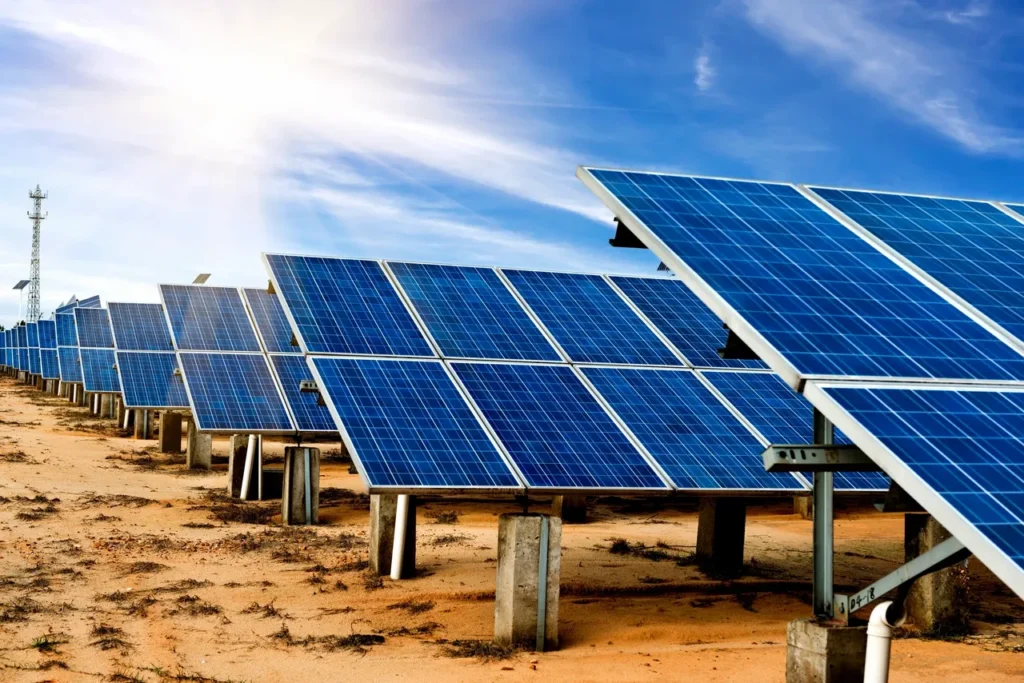
    A recent ethical hack in the Netherlands highlights the critical vulnerability in smart solar panel systems, specifically through converters that connect the panels to the power grid. These devices, essential for grid compatibility, have been found vulnerable to cyber intrusions, including remote disabling and Distributed Denial of Service (DDoS) attacks.

    The report by FollowTheMoney, corroborated by a Dutch agency’s 2023 findings (Euractive), shows that solar panels are vulnerable to cyberattacks, challenging the belief that renewable energy infrastructure is inherently more secure than traditional power sources. Historically, cybersecurity in the energy sector has focused on high-value targets like power plants and substations, leading to significant investment in their protection. However, the rise of distributed energy resources (DERs) like solar panels introduces new vulnerabilities. Though smaller than traditional plants, these DERs form a vast, interconnected network that can be exploited rapidly by cyberattacks.

    The decentralised nature of DERs  (like solar rooftops) generally offers resilience against single points of failure. However, the vulnerability of the solar panel converters poses a significant risk – if hackers exploit these converters across multiple installations, it could trigger a “cascade attack” that destabilises the grid (europarl) Does this challenge the assumption that more nodes mean more security, highlighting the need for stronger cybersecurity in decentralised systems?

    The increasing share of solar power in the European energy mix—from 1% in 2010 to 9% in 2023 (Ember), heightens the potential impact of any cyber-attack on these systems. As solar energy becomes more integrated into the grid, a successful cyberattack could severely disrupt energy supply, impacting the broader economy and public safety.

    Industry and policy responses point out the need for stronger cybersecurity protocols. SolarPower Europe and other stakeholders advocate for comprehensive EU-wide regulations, such as mandatory monitoring and assessment frameworks for distributed energy sources. The argument is that as solar installations are increasingly aggregated and centrally managed, they require stricter oversight to prevent cyber threats. The push to classify solar panels as a critical product highlights the urgency of addressing their vulnerabilities. This classification would lead to stricter safety and security assessments, reducing their vulnerability.

    The geopolitical dimensions of solar panel cybersecurity are significant due to China’s dominance in the global supply chain for solar components. China produces ~60-70% of the world’s solar inverters and converters (IEA), which are identified as vulnerable. The EU faces additional risks if these systems are compromised. Beyond economic impacts, such a compromise could have serious national security implications, increasing risks of espionage, sabotage, or energy blackmail if critical infrastructure relies on potentially compromised components.

    The EU’s cybersecurity agency’s (ENISA) report highlights that Europe is currently inadequately prepared for a large-scale attack on its energy infrastructure. Given the sector’s indispensable role in modern economies, it has emerged as a prime target for “advanced persistent threats”, whether they are foreign states or insiders.

    The industry’s push for enhanced support of the EU’s home-grown solar sector, likely driven by cybersecurity concerns, aims to reduce dependence on foreign suppliers and boost regional security. The EU Electrification Action Plan highlights that cybersecurity is integral to future energy strategy, linking it directly to overall energy security goals.

    The ethical hack in the Netherlands has exposed previously underestimated vulnerabilities in solar panel systems, highlighting the critical need for robust cybersecurity as solar energy increasingly integrates into the European grid. The threat lends support to the need for public investment in domestic and EU solar supply chains. Vulnerabilities in converters, together with reliance on Chinese production, present potential risks to energy security.

    For the UK solar industry, which aims to meet its ambitious renewable energy targets, prioritising cybersecurity is crucial. Key considerations should include:

    ·  Integrating strong cybersecurity measures into solar system design and operation.

    ·  Investing in technologies to enhance solar system security.

    ·  Collaboration between government, industry, and academia to develop effective regulations.

    ·  Diversifying the solar component supply chain to reduce geopolitical risks.

    ·  Engaging with global partners to share best practices and establish common standards.

    #Geopolitics #cybersecurity #solar #energysecurity

  • Sow Much Potential: Low-Carbon and Carbon-Negative Fertilisers

    The UK’s food security is threatened by a combination of challenges. Erratic weather and extreme events disrupt agricultural productivity. Rising input costs, post-Brexit complexities, and the war in Ukraine have driven up fertiliser prices. Additionally, farmers face increasing fuel costs, making it harder to stay profitable.

    According to the Energy and Climate Intelligence Unit (ECIU), UK farmers spent £1.42 billion on fertilisers in 2022 and £964 million in 2023, compared to £470 million in 2020 before the gas price crisis. In 2022, agriculture accounted for about 12% of the UK’s total GHG emissions, with methane from livestock and manure contributing 58% and nitrous oxide from nitrogen-based fertilisers contributing 26% (2022 UK Greenhouse Gas Emissions, Final Figures). The energy-intensive Haber-Bosch process for producing nitrogen-based fertilisers is responsible for approximately 1-2% of global CO2 emissions due to its dependence on fossil fuels (The Royal Society, 2020).

    Researchers from the University of Cambridge suggest that with scalable technological and policy interventions, emissions could be reduced by up to 80% by 2050, primarily by improving fertiliser use efficiency and transitioning to less emissions-intensive types. Companies like Yara are pioneering renewable energy-powered fertiliser production, achieving a 70-90% reduction in carbon emissions compared to traditional methods. Capturing and utilising carbon dioxide for fertiliser production, as explored by CCM Technologies, presents another exciting avenue. These advancements offer environmental benefits, but can UK farmers afford to embrace them?

    Challenges and Considerations for UK Farmers: Cost, Effectiveness, and Beyond

    Low-carbon and carbon-negative fertilisers offer a potential pathway to reconcile the competing demands – balancing economic survival with environmental responsibility.  While the long-term cost-benefit analysis might be positive, with the potential for improved soil health, increased crop yields, and reduced reliance on volatile fossil fuel prices, the initial investment can be a significant hurdle.

    For example, urea, a common nitrogen fertiliser, emits significant nitrous oxide. Biochar, made from biomass, sequesters carbon and can offset emissions. Their costs and benefits vary by production, application, and regional conditions. Government incentives, such as subsidies or tax reductions, could encourage adoption. Additionally, research into cost-effective production methods is necessary. Fertiliser efficacy varies across different agricultural systems, requiring tailored solutions.

    Currently, there are no specific subsidies or tax breaks for low-carbon fertilisers in the UK. However, the government is focusing on sustainability and the ELM scheme could indirectly incentivise their use. Research funding and climate change levies might also impact the market for low-carbon options.

    Another critical factor is fertiliser effectiveness on diverse UK agricultural systems. Farmers need tailored solutions suitable for their specific crops and soil conditions. Collaboration between researchers, industry leaders, and farmers is crucial to develop and refine these solutions, ensuring these fertilisers deliver optimal results across the UK’s agricultural landscape.

    Beyond the financial constraints, practical considerations also exist. Farmers need training and support to understand the application and benefits of low-carbon and carbon-negative fertilisers. Additionally, ensuring a readily available supply of these fertilisers across the UK is vital. Distribution networks need to be established to ensure easy access for all farmers, regardless of location.

    Optimising Fertiliser Use for Sustainable Agriculture

    The UK imports 60% of its fertilisers (AHDB), risking price fluctuations, supply disruptions, and geopolitical issues. This also leads to a high carbon footprint from production and transport. The closure of CF Industries’ UK plants (NFUOnline) increased reliance on imports, impacting fertiliser availability, cost, and domestic production capacity. Yara’s new plant, set for 2025 (Yara International), will help, but complete fertilisers need more nutrients.

    Polyhalite, a multi-nutrient mineral that complements traditional synthetic fertlisers offering potential pathways to low-carbon and carbon-negative fertilisers. Here is why –

    • Its production process is inherently less energy-intensive compared to traditional mineral fertilisers.
    • By providing multiple essential nutrients in a single product, it can reduce the overall transportation and application of fertilisers, lowering associated carbon emissions.
    • Its potential to replace some synthetic fertilsers can contribute to reducing the overall carbon footprint of the UK’s agricultural sector.

    However, the extraction and processing of polyhalite are complex and capital-intensive, as evidenced by the delays and cost overruns of Anglo American’s Woodsmith project. Despite these obstacles, Anglo American’s Woodsmith project, if realised, could significantly enhance the UK’s fertiliser security, reduce reliance on imports, and support the transition to a low-carbon agricultural system.

    Combining Polyhalite with other sustainable practices like crop rotation and precision agriculture, the UK can move closer to a more resilient, efficient, and environmentally friendly agricultural system. Balancing economic viability and environmental sustainability in fertiliser use is crucial for the UK’s agricultural sector.

    A combination of low-carbon and carbon-negative fertilisers, government support, and technological advancements can contribute to a resilient and sustainable food production system in the UK.

  • The Impact of BHP’s Nickel Operations Suspension

    BHP’s Nickel West in Western Australia is a fully integrated nickel mining operation, employing over 2,500 and supplying over 85% of its production to global battery material suppliers.

    BHP Group’s decision to temporarily suspend its Australian nickel operations until 2027 reflects the impact of geopolitical risks, varied end-use applications, technological advancements, environmental concerns, and price volatility of the global nickel market.

    Market Dynamics and BHP’s Decision

    Nickel, a key component in Lithium-ion batteries, has seen a sharp increase in demand – over 10% of total nickel demand, reaching nearly 370 kt in 2023—a 30% rise from 2022. However, this heightened demand has coincided with an overall supply surplus of approximately 8%,  (IEA).

    BHP suspended operations due to an oversupplied global nickel market and a sharp decline in forward nickel prices. Additionally, Western Australia’s Nickel operations have been experiencing negative cash flow. The sharp decline in global nickel prices from a peak of over US$25,000 per tonne to around US$16,725 has created immense pressure on BHP’s Nickel West operations, ultimately leading to the suspension. This decision highlights the volatility of the global nickel market and its potential impact on resource-dependent communities.

    Regional Implications and Supply Chain Disruptions

    The suspension of BHP’s Australian nickel operations is anticipated to have significant regional consequences. Western Australia will face economic challenges, including job losses and disruptions to local supply chains. The Asia-Pacific region, a major consumer of Australian nickel, may also experience supply chain disruptions, although the region’s diversified supply sources could mitigate some of these impacts.

    Government response and support measures.

    The Australian government is taking steps to support the affected works and the nickel industry including the inclusion of nickel in the critical minerals list – a designation that will enable nickel projects to be eligible for funding under the $4 billion Critical Mineral Facility and Critical Minerals productions tax incentive (May budget) to reinforce the competitiveness of Australian nickel producers. While these measures provide a supportive framework, the scale of challenges faced by Nickel West necessitated the temporary suspension.

    Broader Implications for the Nickel Industry

    BHP’s temporary suspension of nickel operations highlights the influence of global economic forces, geopolitical factors, and technological advancements shaping the critical minerals landscape. The decision highlights the vulnerability of resource-dependent economies to volatile commodity prices and the potential social and economic consequences for affected communities. While the short-term outlook for nickel is uncertain, the long-term demand driven by the EV market suggests a potentially resilient future. Balancing economic imperatives with environmental and social considerations will be crucial as the industry navigates these challenges.

    LFP Battery Technology and Nickel Demand

    The rise of Lithium Iron Phosphate (LFP) battery technology, particularly in China, is a key factor influencing nickel demand.  In the first half of 2023, LFP batteries, requiring less nickel than Nickel Manganese Cobalt (NMC) batteries, accounted for 65.81% of China’s total battery output, up from 61.10% last year. NMC batteries made up 33.91%, down from 38.77%, per CABIA. The rise of LFP batteries in China’s EV market has led to nickel oversupply and price drops. Initially used for lower-end EVs, improvements in LFP energy density and performance may increase their market share, further reducing nickel demand.

    Stainless Steel Demand and Nickel Market Dynamics

    Stainless steel production is the largest consumer of nickel, representing about two-thirds of global demand. However, the growth in stainless steel production has been relatively stable compared to the rapid expansion of the EV market. While stainless steel demand provides a stable baseline for nickel consumption, fluctuations in EV battery demand have a more significant impact on nickel prices and market volatility.

    Nickel and the Global Battery Market

    The nickel market is undergoing a period of rapid transformation, shaped by the interaction between supply, demand, technological advancements, and geopolitical factors. BHP’s Nickel West operations contributed approximately 5% of global nickel production in 2023. The EV industry is projected to account for over 50% of global nickel demand by 2030. Australia is a major producer of high-quality nickel, and its supply disruptions can have significant impacts on the global market. Ongoing geopolitical tensions, such as those between the US and China, can create uncertainties in the nickel market and impact trade flows.

    Short Term Implications

    · BHP’s suspension will tighten nickel supply in the short term, possibly pushing prices higher.

    · While overall nickel supply is currently abundant, the removal of a significant high-grade producer (Class 1 nickel, typically 99.8% pure or higher) could create localised supply shortages.

    · Battery manufacturers, particularly those reliant on high-quality nickel, may face increased input costs in the short term.

    · The suspension may disrupt battery supply chains, particularly for manufacturers heavily dependent on Australian nickel.

    Long-Term Implications

    · Battery manufacturers and EV producers may seek to diversify their nickel supply chains to reduce reliance on any single source.

    · The suspension could create opportunities for other nickel producers to expand their market share.

    · The decision highlights the geopolitical risks associated with relying on concentrated supply sources. Countries and companies will likely prioritise securing stable and reliable nickel supplies, potentially leading to new trade agreements and partnerships.

    · Nickel supply disruptions could drive investment in alternative battery technologies that reduce or eliminate nickel usage.

    BHP’s Strategic Options

    BHP is committed to supporting affected workers through redeployment and will continue investing in Nickel West to enable a potential restart when market conditions improve. It plans to review the temporary suspension by February 2027, aiming to resume operations if market conditions stabilise and improve.

    Is BHP’s temporary suspension of nickel operations a strategic retreat from a volatile sector, despite citing market conditions? By focusing on core competencies and optimising its portfolio, is BHP aiming for long-term growth and shareholder value, despite the inherent risks? However, the prolonged suspension risks damaging market share and relationships and potentially missing out on profits if nickel prices rebound strongly.

    BHP’s ability to predict market trends and execute a timely restart will be crucial for the strategy’s success.

    #Nickel #Criticalminerals #Batterysupplychain

    References: BHP Group, Australian Government, International Energy Agency (IEA, Benchmark Mineral Intelligence, London Metal Exchange (LME), Financial Times, Reuters, Bloomberg, S&P Global Market Intelligence, China Automotive Battery Innovation Alliance (CABIA), Carbon Credits, Fastmarkets, Nickel Institute. Image credit: Linkedin image generator